The cost of entry: Getting your feet wet
When you’re first getting into the sport, there are plenty of beginner-friendly options that won’t blast a hole in your wallet.
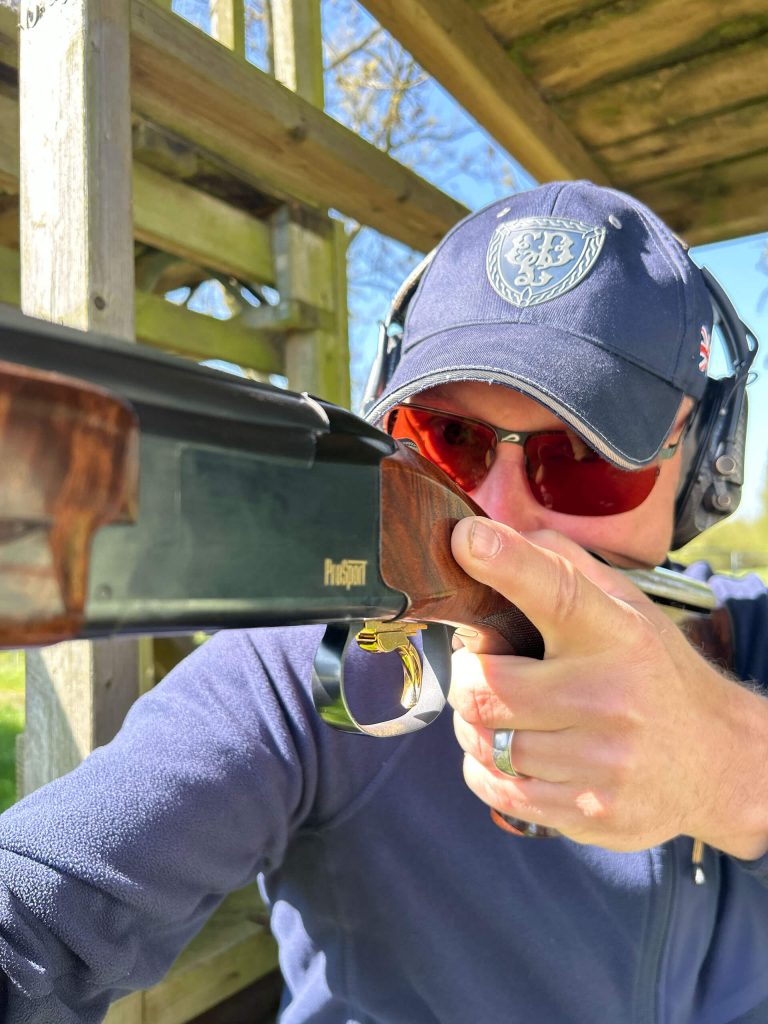
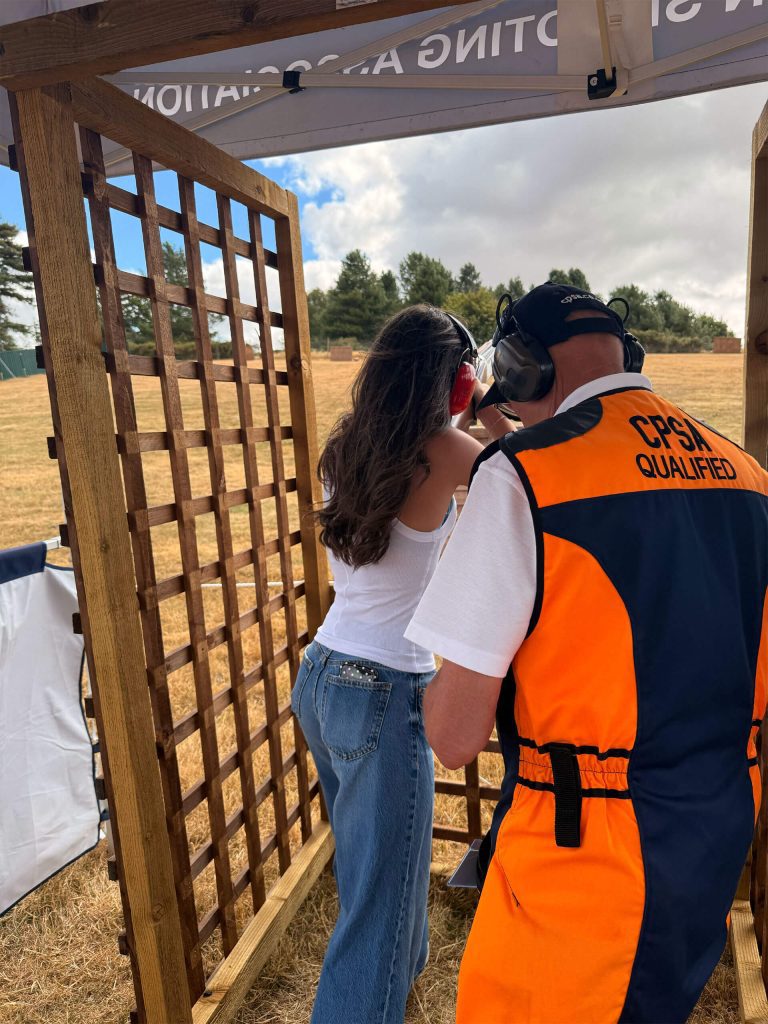
We’ve put together this guide to the typical costs of taster sessions and group lessons so you can see how to get started without overspending on those initial birds.
Shop around and prioritise finding the best value to save a few extra quid for your first foray into the sport we love.
By being disciplined with where you book your early sessions, you can ensure your budget is geared towards giving you as much time on the trigger as possible while you’re still honing your craft.
| Lesson type | Price range (per person) | Details |
|---|---|---|
| Introductory lesson (25-30 shots) | £45 – £85 | Ideal for novices, often shorter in duration (45 mins to 1 hr). |
| Standard Lesson (50 shots) | £75 – £145 | The most popular option, usually an hour-long session with more targets. |
| Extended Lesson (75-100 shots) | £114 – £165 | For those who want more extensive practice or have some experience. |
| Shared/Group Lesson | £60 – £85 (per person) | Lessons for two or more people can offer a slightly lower price per person. |
The legal gateway: The shotgun certificate (SGC)
Your essential first investment for gun ownership in the UK
So, you’re ready to apply for your certificate?
It’s a great move, but as a beginner you should know that the paperwork is only one part of the total setup. When applying, start on the official government website to find your local Police website. From there you can get to the online form and prepare for requirements like installing a gun cabinet for secure storage, passing a home visit from an officer and obtaining your medical clearance.
When you add together the licence fee, storage costs and general admin, the initial setup ends up costing more than just the certificate itself. However, if you’re as obsessed with shooting as we are, you’ll find it’s worth every penny.
Please add a title.
| Grant for fireamrs certificate | £198 |
| Renewal of firearm certificate | £131 |
| Grant of shotgun certificate | £194 |
| Renewal of shotgun certificate | £126 |
Prices checked in January 2026
Secure storage: The gun cabinet
Typical cost: £150 – £400
To meet the legal “safe custody” requirement you must have a secure, locked place to store your gun when it’s not in use. This usually means installing a purpose-built cabinet. These units are engineered specifically for guns and are typically made of heavy-gauge steel and carry local kite marks for approval.
To satisfy Police expectations during your home visit, the cabinet must be bolted firmly to an external solid brick wall ideally. Also check there’s minimal space between the cabinet back and the wall. You don’t want the officer (or worse, intruders!) to be able to see a gap that they could get a crow bar into.
You should also prioritise positioning your cabinet out of public view to reduce risk; it’s a key part of our responsibility as shooters and it also protects you from unwanted visitors.
Cabinets come in various sizes, from compact single-gun safes to larger multi-gun units with internal ammunition compartments. Pick a size that suits your needs not just for now but for the next few years – it’s pointless having a 10-gun cabinet for just a single gun. A 3-gun locker might be a good idea to start with as it’ll give you the space and flexibility to add a couple more guns for different disciplines as your hobby grows.
The home visit
Costed in licence fee
A Firearms Licensing Officer (FLO) compiles a full report based on all the information gathered throughout your application. This includes background checks, interviews, references and any relevant medical information.
This data is brought together into a formal recommendation report to ensure you meet the standards expected of responsible shooters before the file is passed to a senior decision-maker. This officer reviews the entire file, your original application and the FLO’s recommendation before making the final decision. They’ll either grant the certificate, refuse it or request further enquiries if something needs clarification.
If your application is refused, you’ll generally have the option to reapply in the future, but the most common route is to appeal the refusal first. Addressing the specific reasons for the denial through an appeal can sometimes resolve issues more quickly than starting the process from scratch.
If the taster session has had the desired effect you’ll be obsessed with getting out there, so it’s vital to stay informed and disciplined throughout this process to ensure your transition into the sport is as smooth as possible.
Medical forms
The new addition to the party
When you apply for your certificate, you need to be aware that submitting a medical suitability form is a standard part of the process that requires your GP to verify your fitness for the sport.
This isn’t included in your initial application fee. Most doctors will charge a separate administrative cost to complete the paperwork and return it to the licensing department. You’ll usually find that these fees range from £30 to £70 depending on the practice, but some shooters have seen even higher prices if their GP considers it a more complex private service.
It’s a good idea to check with your surgery early on. You don’t want to be caught out by unexpected costs that could delay your application or add a hidden sting to your budget but being disciplined with this part of the admin ensures your medical records are up to date and you’re moving through the licensing process without any unnecessary holdups.
Extra Fort Knox stuff
In the UK, the law for certificate holders doesn’t strictly require you to have alarms or cameras. The main focus for licensing authorities is simply ensuring you have a secure, locked cabinet that meets the standard safe custody requirements.
However, in certain situations, the Police may recommend you install additional security measures. This usually happens if you’re applying for firearm certificates covering more powerful weapons or if your property is considered a higher risk.
These extra layers can include intruder alarms, security cameras or reinforced doors and locks. They help to further reduce risk and demonstrate your commitment to being a responsible shooter.
While these aren’t always a legal necessity for every shooter, they’re often seen as a smart investment. It provides extra peace of mind and shows the licensing officer that you take the security of your kit seriously.
The shotgun purchase: new vs. pre-owned
£400 or £3,000+?
Leaping from hiring to owning your own gun comes with a few one-off costs you should know about if you’re ready to take that next step.
The biggest investment is obviously the gun itself. You have the choice of going for a pre-owned beauty like a used over-and-under for around £400 or splashing out on a brand-new model that can easily top £3,000+.
Either way, this is the heart of your kit and the tool you’ll be using to dust targets. It’s worth thinking carefully about what fits your budget and style before you pull the trigger on a purchase.
While a high-end gun is a great way to show you’re engineered for the sport, a well-maintained second-hand option is a smart way to get started without breaking the bank while you’re still honing your skills.
Other kit: bags, slips and vests
The added extras…
Kit bags, gun slips and shooting vests are going to be some of your most helpful purchases. They make life on the range much easier and ensure you stay organised throughout the day.
A good bag keeps your gear safe, dry and neatly packed while providing essential space for shells, gloves and other accessories you need to keep close at hand. Expect to pay anything from £25 – £400+ for your bag.
You’ll also find that a gun slip is vital for protecting your gun during transport to prevent scratches or dust from building up. Plus, most ranges expect you to have your gun encased in one whenever you aren’t standing on the peg. The cost of a slip can vary significantly from £25 for a basic entry level into the hundreds for leather cases.
A shooting vest adds a layer of comfort and provides handy pockets for your shells. It offers a bit of extra padding to help you stay focused when you’re on the move between stands and helps cushion the shotgun against your shoulder. Again there’s quite a variance in price from £50 to £400+ depending on the brand and features.
Together, these items might seem like small extras, but they’re engineered to make our shooting experience smoother, safer and a lot more enjoyable.
| Item | Budget/Entry-level | Mid-range | Premium/High-end |
| Shooting vests | £55 - £75 (Basic Mesh/Canvas) | £80 - £180 (Quality Mesh/Tweed/Branded) | £200 - £380+ (Tweed, Technical, Heated, Premium Brands like Laksen/Harkila) |
| Gun slips | £25 - £65(Nylon/Basic Canvas/Padded Synthetic) | £70 - £150 (Waxed Canvas & Leather Trim/Quality Synthetic Cases) | £160 - £400+ (Full Leather/Tweed & Leather/Premium Brands like Croots/Cotswold) |
| Kit bags(Range/Cartridge) | £25 - £65 (Small Cartridge Bags, Basic Backpacks) | £70 - £150 (Medium Range Bags, Canvas/Leather-Trimmed Cartridge Bags) | £160 - £390+ (Premium Leather/Tweed Luggage, Large Tactical Backpacks) |
“Nothing beats a completely smoked & dusted clay - the adrenaline!”
The ongoing cost of clay shooting
Your guide to the “per shot” wallet workout
Once you’ve bought your gear and sorted your licence, the biggest long-term expense in clay shooting is the cost of actually pulling the trigger. Unlike those one-off purchases, these costs repeat every time you shoot. Understanding the breakdown helps you budget smarter and get more value from every session on the range.
Every time you shout “Pull!”, you’re essentially spending the price of a bird plus the price of a cartridge. It’s a simple equation that becomes the foundation of your monthly shooting spend. Once you understand this “per shot” maths, you’ll see why experienced shooters are often suspiciously good at not missing.
Every lost bird is essentially money sent in the air and left on the floor…
While the costs can add up over a long afternoon, being disciplined with your practice and engineered for accuracy ensures every penny spent is an investment in your skill rather than just a hole in your pocket.
| 50-Bird Practice Round | 50 shots | £27 – £40 |
| 100-Bird Practice Round | 100 shots | £55 – £80 |
Membership: because who doesn’t love cheaper clays?
If you’re a regular, investing in a shooting ground membership is a smart move rather than a luxury. While annual fees typically range from £80 to £125, you’ll find the expense pays for itself through reduced rates every time you step onto the layout.
With common discounts of 5p to 10p per bird offered to members, a frequent shooter can recoup the entire cost in just a few visits to the stands. For those of us who shoot weekly, the accumulated savings over the year make a membership an essential way to reduce total costs while keeping you disciplined with your practice.
Beyond the pure maths, being a member gives you a sense of belonging to the club. You can hone your skills alongside other shooters who are just as obsessed with the sport as you are.
Maintenance and service: keeping your gun running
Buying a gun is just the starting point of your journey. Keeping it in top condition is what ensures the reliability, safety and longevity you need to perform at your best every time you step onto the stands.
Think of this as the “car maintenance” chapter of your shooting experience. While it might not always be the most glamorous part of the sport, it’s absolutely essential for any shooter who is serious about their kit.
From simple at-home cleaning routines after a wet day on the range to full professional strip-downs, you need to know exactly what to expect when you’re budgeting for the long-term care of your gun.
Home cleaning kit: the essentials
The initial cost of brushes, oil and solvent: £20 – £50+
Every shooter needs a basic cleaning kit to maintain their gun. Thankfully, this is one of the more affordable parts of the game that ensures you’re properly equipped from day one.
A starter kit usually includes brushes, rods, cloth patches, oil and solvent. It provides everything you need to clean the bores, wipe down the metalwork and keep moisture at bay so damaging rust never has a chance to creep into your barrels.
The pricing for cleaning kits covers a vast spectrum. You’ll find budget-friendly sets from £8 to £35, which typically offer simple plastic components. Standard, reliable mid-range kits that’ll last for years generally cost between £40 and £90 for a set.
For shooters needing a professional-grade solution that covers multiple gauges, the price escalates into the £100 to £250+ range. These offer comprehensive, high-quality tools engineered for heavy use. The highest price points, reaching £600+, are reserved for luxury presentation kits with wooden or leather cases. These are more like collector’s items than everyday functional tools.
If you can afford it, prioritise a solid mid-range kit that gets the job done without the fluff.
Annual servicing and strip down
Just like a car needs an MOT, your gun benefits from regular professional attention to ensure every internal component is functioning exactly as it was engineered to.
We recommend sending your kit to a qualified gunsmith once a year – or every few years if you only shoot lightly – for a comprehensive deep clean and a thorough mechanical check-up. If you’re obsessed with performance like we are, a professional service is the best way to keep your swing smooth and your trigger crisp.
A full strip-down and service for a standard over-and-under typically costs between £100 and £200. This is a worthwhile investment that covers dismantling all the intricate internal parts to remove old oil and fouling. During this process, the gunsmith will check your springs and firing pins for wear while ensuring the action remains secure. It provides the peace of mind that your gun is safe and reliable for the upcoming competition.
| Action type | Typical price range (UK) | What's included |
| Boxlock action | £150 to £250 | Full disassembly, chemical cleaning/degreasing of all internal parts, inspection for wear, lubrication, reassembly, and regulation of triggers/ejectors. |
| Sidelock action | £200 to £400+ | Same as above, but with significantly more complex work due to the hand-finished 'locks' (the mechanism plates), which require expert timing and regulation. |
Major repairs
Major repairs are the big, technical jobs that go well beyond a quick clean or swapping out an easy part. This is the kind of work that calls for specialist tools, precision fitting and a gunsmith who’s likely had more tea than sleep.
Common major repairs include firing pin replacement, action tightening, barrel work and trigger fixes. These aren’t just a luxury; they’re essential for keeping your gun safe and reliable. Whether you’re out on the stands every weekend or only dusting targets once in a blue moon, investing in major maintenance can add years to the life of your kit. It prevents small issues from turning into dangerous failures.
Quality repairs come with price tags to match the level of skill required. High-cost jobs like firing pins starting from £50 each or action tightening from £150+ might not make your wallet cheer, but your gun certainly will. You’ll feel the difference in every shot you take.
The final bill
Why we pay the “Pew-Pew” tax
While tallying up application fees, gear and security upgrades can feel overwhelming, don’t let the start-up stress dampen your excitement. These initial hurdles are what stand between you and a lifetime of enjoyment on the range.
View these costs as an investment in your performance rather than just a one-time expense. Once your certificate is secured, your gun is bought and your safety measures are in place, the heavy lifting of the admin process is behind you. You’re left with one-off payments already settled, leaving you free to focus on the best part of the sport – heading to the ground to master a rewarding sport.
By being disciplined with your early budgeting you’ll find that the satisfaction of a smashing clays soon outweighs the temporary sting of those setup fees.
It’s a sport that’s worth every penny.