The weight of heritage and the dust of the first break
There’s a quiet, distinct geometry to watching a young shooter step onto the layout with a gun that has already lived a full life.
It’s not about nostalgia or some misty-eyed longing for the past. It’s about physics, ergonomics and the sudden, violent translation of thirty-year-old steel into a cloud of black dust.
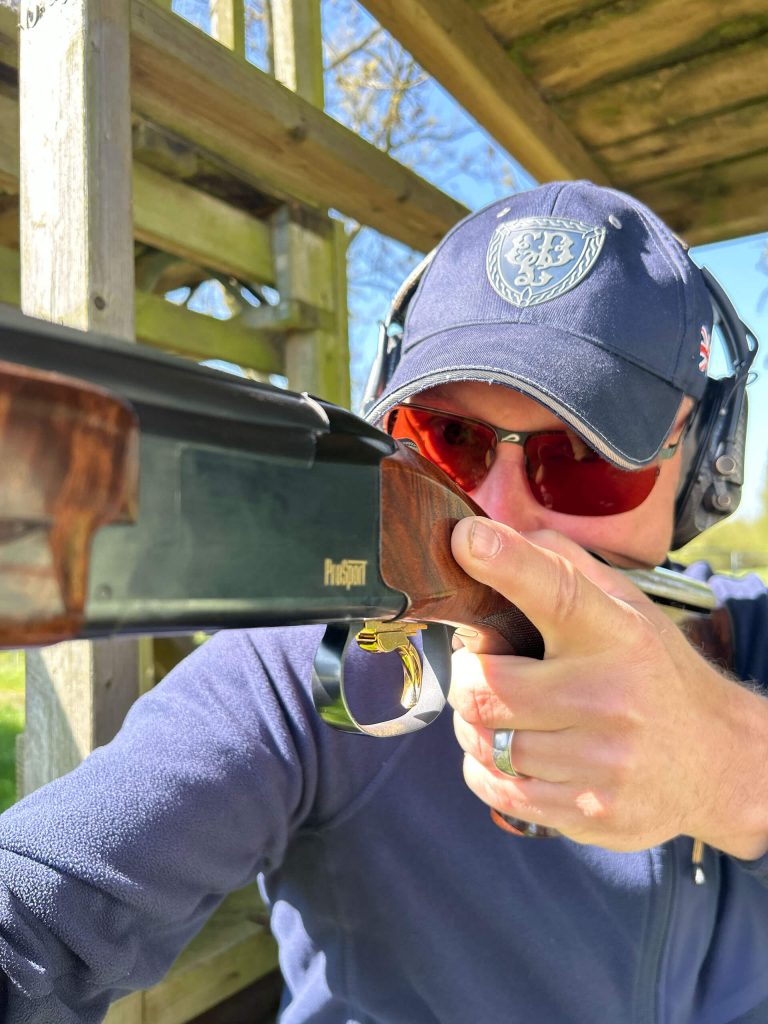
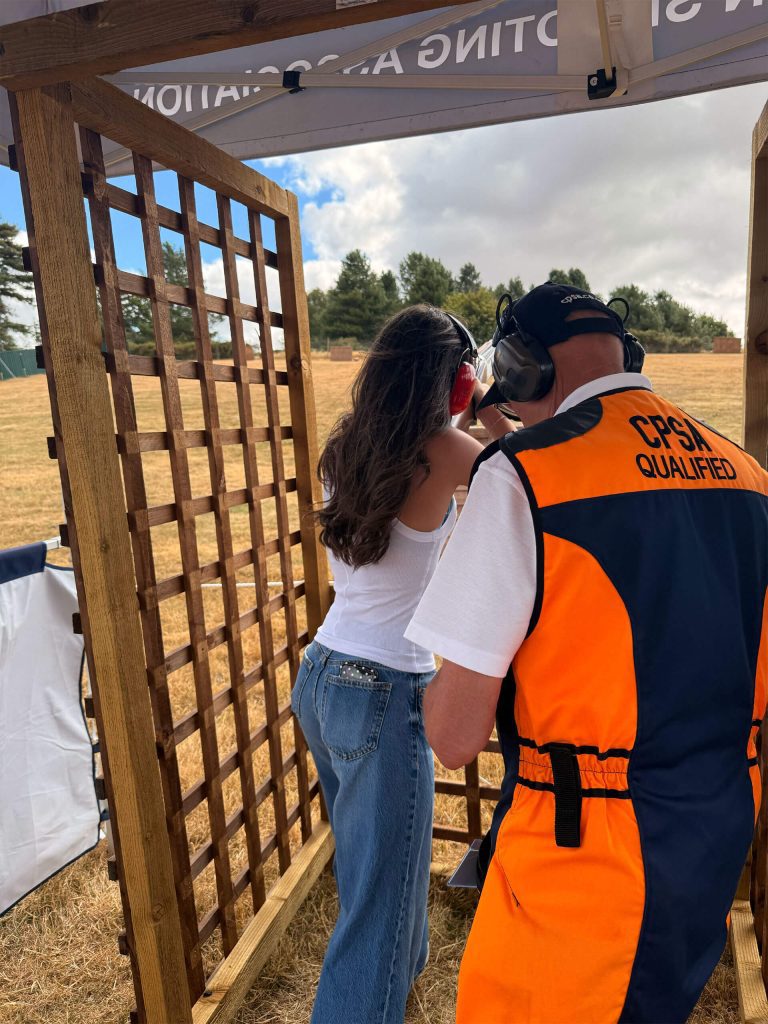
Last weekend at the ground, we watched a teenager call for a crossing target, execute a textbook mount and break the clay with a mid-eighties Italian over-and-under that had seen more cartridges than most modern factories produce in a month. The stock was bruised, the bluing worn to a soft grey where a thousand palms had gripped the fore-end, but the barrels locked up with the exact same solid, mechanical click they did during Mrs Thatcher’s reign.
Watching that target break felt less like a casual milestone and more like a successful transfer of energy across generations.
The geometry of the hand-down
We often obsess over the newest adjustable combs, carbon-fibre ribs and hi-tech recoil reduction systems. These innovations have their place, but they also risk turning the gun into a sterile tool rather than an extension of the body. When a young shooter inherits an older gun, they inherit a design philosophy that prioritised balance and hand-filed precision over modular convenience.
- The balance point: Older guns often possess a subtle, dynamic weight distribution. Without the weight of modern barrel selectors or heavy screw-in choke systems, the balance sits precisely on the hinge pin. This creates a natural pivot that encourages a smooth, unhurried swing.
- The physical feedback: Modern recoil pads can sometimes mask a shooter’s mounting errors. A vintage recoil pad, often nothing more than a thin slice of hard vulcanite or aged rubber, offers honest feedback. It demands a perfect mount into the pocket of the shoulder.
- The mechanical trigger: There is an undeniable crispness to older, hand-honed leaf springs. The break is instantaneous, devoid of the mushy creep sometimes found in mass-produced modern trigger groups.
We talk a lot about gear ergonomics at PAIR DEAD, not because we’re Luddites, but because we appreciate how physical mechanics dictate mental confidence. When a young shooter learns to handle the weight and momentum of a classic gun, they’re building a foundation of muscle memory that cannot be bought off a shelf.
Overcoming the fit deficit
Admittedly, handing down an older gun is not without its mechanical hurdles. Human ergonomics have shifted over the last forty years; we are, on average, taller than the generation that originally bought these guns. A stock designed in 1982 rarely fits a teenager in 2026 without some adjustments.
Instead of rushing to the nearest gunsmith to saw off the butt or screw on a chunky, uncoordinated spacer, we advocate for patience.
A minor adjustment to the shooter’s stance or a slightly higher mount can often bridge the gap temporarily. Adjusting the shooter to the gun, rather than immediately mutilating the wood, teaches an appreciation for the gun’s natural line of sight. It forces an understanding of how eye dominance and rib alignment actually interact. When they do finally master that alignment and smoke a fast crosser, the satisfaction is doubled.
They didn’t rely on a matrix of adjustable screws to find the target. They relied on form.
The silent continuation
There’s a unique silence that follows the first successful break with a family gun. It’s the moment the youngster realises that the tool in their hands is not an antique museum piece but a highly effective, relevant piece of engineering. The dented stock and faded engraving cease to be signs of age; they become badges of competence.
At the end of the day, the layouts don’t care about the year a gun was proofed. They only care about the break.