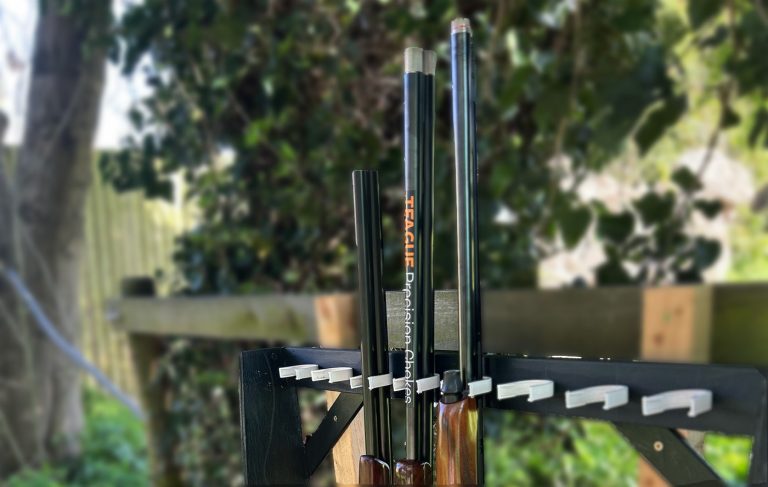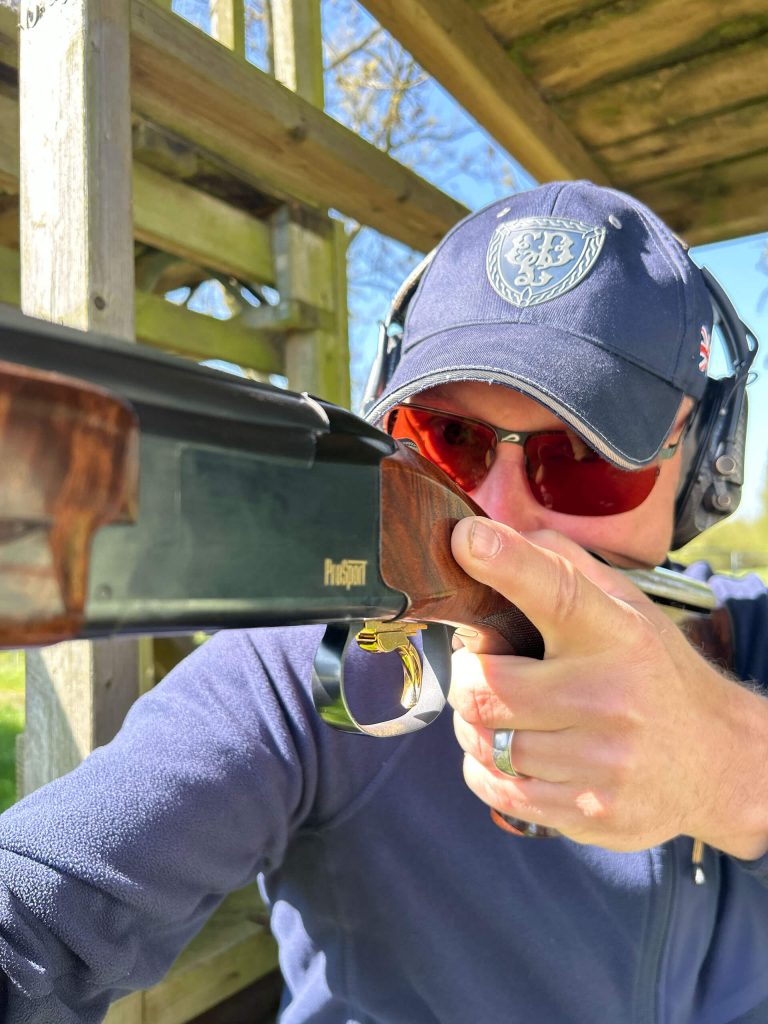

Unloaded, verified, secured
The most critical step when you’re moving your gun is making sure it’s empty. Physically check the barrels before the gun leaves your hands or goes in the vehicle, and do it every time to stop accidental discharges and prove you’re committed to safety.
There’s no room for half measures or corner cutting: Open the action and do a full inspection. If you’ve got a pair of barrels, make sure they’re both clear. For other guns, check the magazine and the chamber.
Responsible shooters always do this at home while pointing the gun in a safe direction. Nobody wants an accident or worse, a tragedy.
Travelling smart: Making sure your transport is secure
Always remember these two watchwords when you’re moving your gun: Security and concealment.
Your vehicle must be suitable for the job. Keep your kit in the boot or a covered cargo area to stay out of sight. That’s the concealment box ticked.
We’re big fans of investing in a lockable, purpose-built hard case. For maximum safety, anchor the case to the vehicle structure using cable locks.
To stay totally secure, follow the component carry rule by taking a key part of the gun with you, like the fore-end or the bolt. This renders the gun inert and useless to anyone else.
Now let’s talk security. While the best defence against theft is to never leave the vehicle if there’s a gun on board, life sometimes gets in the way – we’ve all needed to stop for a quick coffee, to fill the tank with fuel or take a toilet break.
Obviously you must lock the vehicle if your gun’s inside when you aren’t, but you can also add another layer of security with defensive parking that blocks access to your boot in high-risk areas. It gives you peace of mind and keeps the firearm extra-safe.
Gear and paperwork
Responsible transport extends beyond the gun itself to include your gear and paperwork. Always have your current certificates on hand so you can verify your legal standing quickly if you’re stopped.
Maintaining a low-profile approach is equally important for security. Avoid any outward signs that you’re carrying a gun. We don’t use branded stickers or clothing that might advertise our kit to thieves, but we’ve all seen those trucks in the shooting ground car park with “Nothin’ but dust” stickers emblazoned upon them.
Proper organisation is key. Keep all accessories, tools and ammunition stored in separate containers away from the secured gun. This maintains order and ensures you stay compliant with transport regulations.
Staying disciplined with our admin means we can focus on the win.
“Treat your transport like your target: with total focus, zero shortcuts and a plan for success”
The final approach: Safe transport on range grounds
You’ve navigated the journey from your house to the car park without any “unscheduled transfers” of ownership. But don’t take a victory lap just yet – the final frontier is the trek to the range.
Before you pop the boot, remember one final golden rule: if the action isn’t open and the barrels aren’t empty, you’re not ready to move. Confirm the chambers are clear before moving your gun anywhere.
Once you remove your gun from its slip, treat your snap caps like live ammunition.
For a break-action gun, push the lever and hinge the barrels open. The snap caps will either be lifted by the extractors or launched by the ejectors. Never consider the gun is safe to move until you’ve physically and visually confirmed the chambers are empty.
Carry your gun broken open over your arm to provide a clear visual signal to everyone that your chambers are empty. In our world, an open action is the universal signal for a safe gun. It puts other shooters at ease.
Reverse order: range to residence
The session is over, so it’s time to head home. The rules of the road haven’t changed, and your standards shouldn’t either. As you head back to the car, keep your gun broken open over your arm. It’s the best way to let fellow shooters know you’re staying safe until the end.
Once you reach the car, perform a final check. Ensure the chambers are clear of live ammunition before inserting your snap caps. Close the action, point the gun in a safe direction and pull the trigger. You’ll hear a muffled “click” as the firing pin strikes the cap which prevents damage to the pin and allows the internal springs to relax.
Think of snap caps as the gun’s “pyjamas”. They signal that you’ve put safety first right up until the end of the shoot and your gun is officially “off-duty” and secure for the drive home.
Once you’ve got these precautions down, you can stop worrying about the mechanics and start enjoying the journey. Hopefully with a winning scorecard in your pocket.