
When the wind starts calling the shots
Shooting in the wind is a challenge that’ll quickly humble even the most experienced shooter. Crosswinds, headwinds and tailwinds all change how a bird moves through the air, often turning a simple shot into a tricky puzzle.
Tackling a crosswind
A crosswind can push a bird sideways, forcing you to adjust your lead and aim ahead of where you’d usually be. Even a light breeze nudges the bird off its path, while stronger gusts make it zigzag, demanding split-second adjustments.
The tricky part is that crosswinds rarely stay constant; gusts can shift mid-flight, causing the clay to veer before you pull the trigger.
To handle this, you need to watch the bird’s flight from the moment it leaves the trap. Early observation helps you detect subtle changes in direction or speed, giving you time to adjust your swing and lead. Reading the wind and anticipating shifts are essential for dusting targets and staying consistent throughout a round.
It’s just as vital to keep your swing smooth. Jerky or rushed movements throw off your shot when the wind alters a bird’s trajectory. Maintaining control of your gun and timing ensures you hit more birds, even when the wind is trying to ruin your scorecard.
Headwinds: When clays float away
Headwinds are a proper test of your timing on the range. When the wind blows toward you, it slows the bird down and creates a floating effect that can ruin your rhythm. The bird seems to hang in the air, almost suspended as it drifts your way. To dust these targets, you often need to pause or adjust your lead to account for that slower flight.
To consistently master a headwind you need a swing that is all about control rather than speed. We’ve all been there, rushing the shot while the bird just floats, leading to a frustrating “Loss” from the scorer.
Practising your timing ensures you stay confident and competitive in the face of those challenging headwinds.
Mastering tailwind challenges
Tailwinds blow in the same direction as the bird, pushing it forward and accelerating its speed until it arrives much faster than you expect. This leaves you with less time to react and makes it easy to misjudge the trajectory. You might find yourself pulling the trigger too late or swinging too quickly in a panicked attempt to compensate. The challenge grows if the wind shifts mid-flight, causing the bird to veer unexpectedly and ruin a perfectly good line.
To overcome these tailwinds, you must anticipate the increased speed and adjust your lead to ensure you’re perfectly poised for the hit. Unlike headwinds, where you might pause, these birds require quicker decision-making and a slightly earlier swing to stay ahead of the game.
Watch the bird closely from the moment it leaves the trap so you can detect those subtle variations in speed or direction caused by the gusts. Maintaining a smooth, controlled swing is the secret; shooting for elegance instead of impact is a bold strategy, and we all know how that works out for your average.
Sun’s out, guns out: Shooting through the glare
There is no better feeling than bagging a perfect pair in a puff of black smoke on a beautiful Summer’s day, but the sun can be more foe than friend when its intense glare makes birds harder to track.
Squinting to follow a target isn’t just annoying; it tires your eyes and throws off your aim, making consistency a real challenge for even the best shooters. Try to stay focused and avoid the harsh shadows that mess with your depth perception on the range.
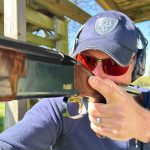
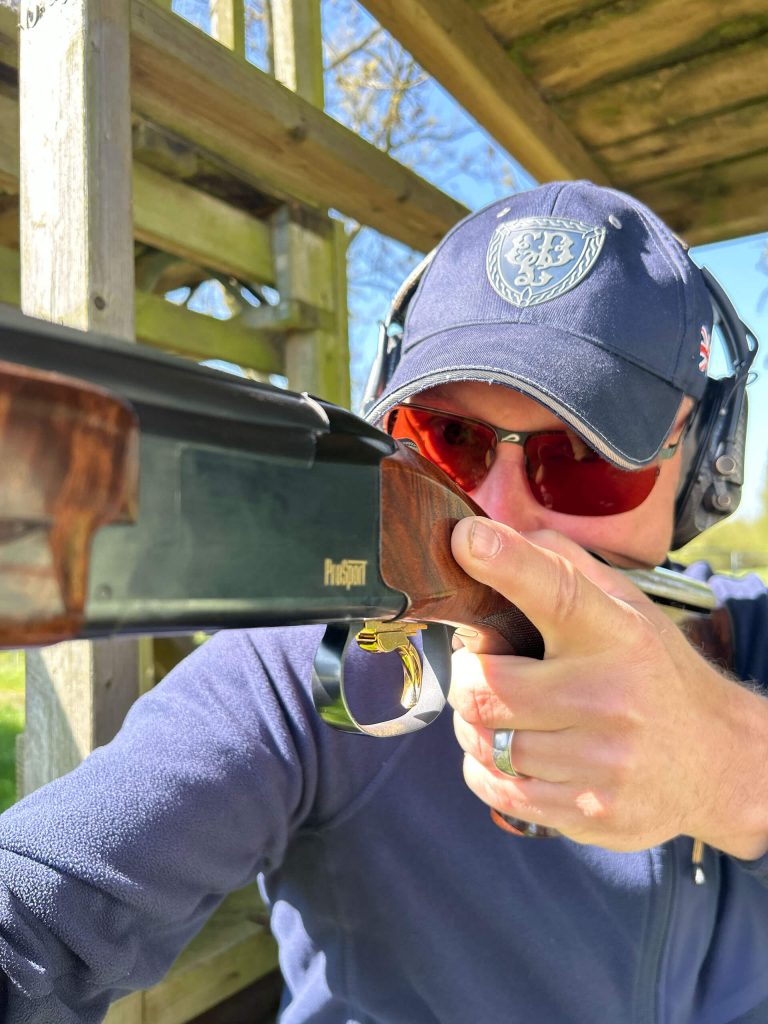
To stay in the game, quality shooting glasses are engineered to enhance contrast and help the birds stand out against the sky. Use specific tints to gain an edge: yellow or amber lenses are ideal for low light, while brown or copper lenses are your go-to for bright sun. Polarised lenses are a solid choice to minimise reflective glare from surfaces like water, grass and wet bird fragments.
Beyond your eyewear, you need to be smart about your positioning. Whenever you can, try to keep the sun behind you and use a wide-brimmed hat to shade your eyes. It’s vital to keep your eyes on the bird and anticipate its movement, adjusting your lead to account for those shifting light patterns.
By combining the right lenses with sun-smart positioning and focused tracking, you can turn a blinding afternoon into a successful session at the range.
And don’t forget the sunscreen – shooting a comp with sunburned ears and a red-hot neck is a bold strategy. We’ll let you find out what it does to your scorecard.
“Sun, wind, or rain: Good shooters don’t complain, they adjust.”
Rain check: Mother nature has other plans
Rain is the most frustrating weather element you’ll face on the range. And if you’re in the UK, it’s the most common one you’ll encounter too.
If you don’t adapt to the rain you’ll end up with missed targets and even a rusty gun. When raindrops fall, visibility is reduced and birds become harder to track. Your line of sight often becomes blurred or obstructed at the worst possible moment.
Wet conditions also affect your grip on the gun, making it more difficult to maintain control and execute the smooth swing you’ve been working on for years. Footing can become slippery or muddy, which impacts your balance and stability.
To overcome these challenges, preparation is key. Wear waterproof clothing, gloves and boots to stay comfortable and maintain control of your stance. Shooting glasses with anti-fog lenses and a waxed cap are essential to keep raindrops off your eyes.
You also have to adjust your timing because rain can slow or slightly alter a bird’s flight. Keep a close eye on the trajectory and stay ready to adapt mid-shot. Practising in wet conditions builds your confidence, allowing you to anticipate how birds behave and maintain a proper swing and lead.
With the right gear and focus, rain doesn’t have to ruin your scorecard. Learning to shoot in wet weather makes you a more adaptable shooter who is ready to dust targets no matter what the skies throw at you.