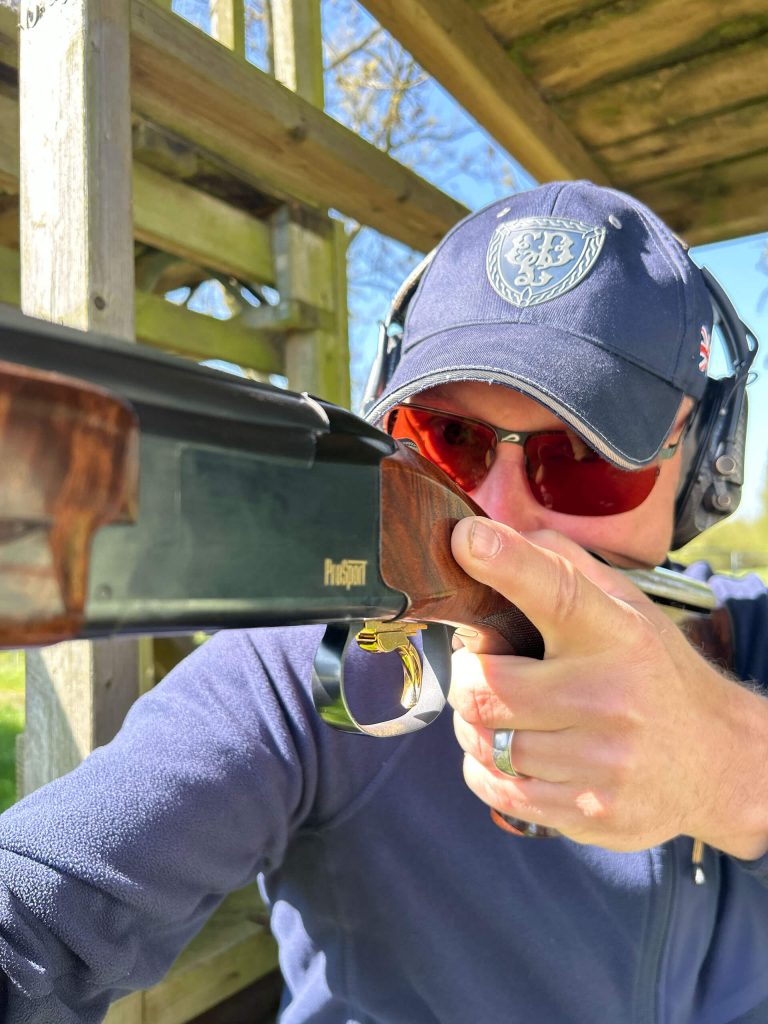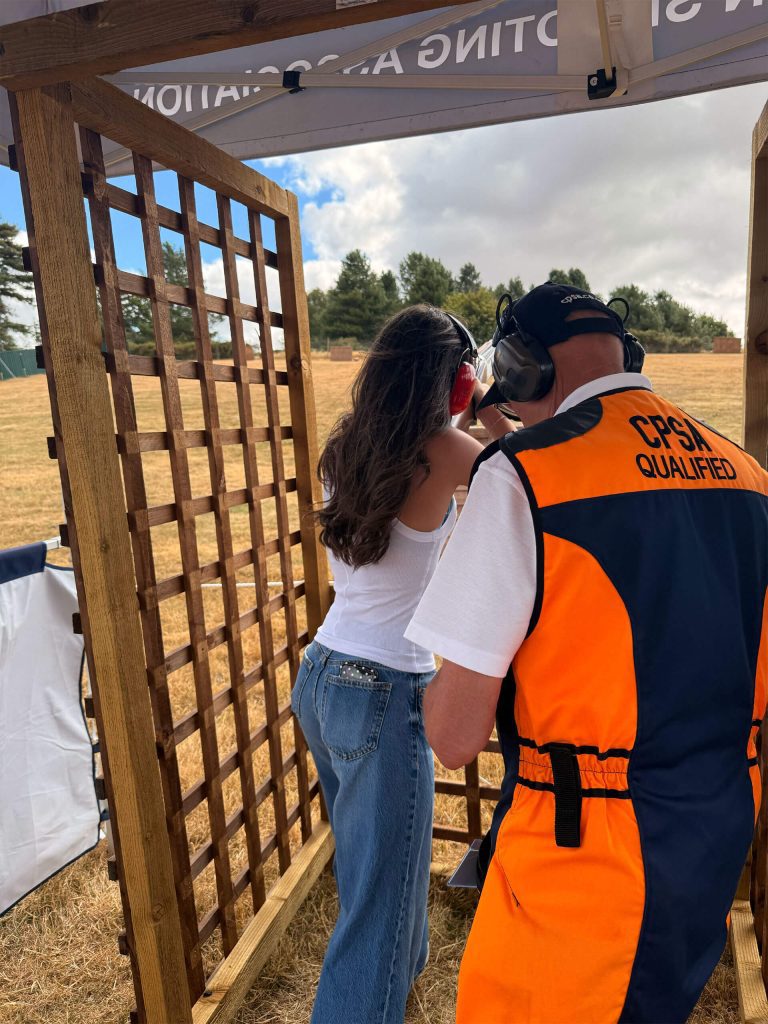
Protecting your ears is non-negotiable, but finding the right gear means balancing your performance needs with your wallet. Prices jump around quite a bit between passive kit and electronic models.
Priced at £10-£40, passive ear defenders are your most affordable route. If you want something with better comfort or extra noise reduction, you might spend £60 or more.
Plugs and custom fits
If you’re a shooter who prefers plugs, you’ve got options. DIY moulding kits are cheap and cheerful, costing anywhere from £7 to £45. For a proper professional fit, custom plugs usually start at £50 and can climb over £100.
Need more clarity on the stand? High-end filtered plugs are engineered for better sound quality. These are a bit more of an investment, ranging from £95 to over £300 based on how complex the filters are.
The ultimate investment
Custom electronic moulds are the gold standard and can max out your budget easily. Entry-level sets start around £170, while professional-grade systems can hit £2,400.
Because these are precision-engineered devices, the seal in your ear canal is everything – if the fit isn’t perfect, you aren’t protected. It really is that simple.
What about lifespan?
Don’t lose the seal
This is a hot topic in the Clubhouse and at PAIR DEAD HQ. The shape of your ear is never fixed, it’s constantly growing and shifting (pub fact: many people think your ears grow throughout your life. They don’t, but gravity and old age do make them look bigger as we get older). This means the mould that fit you perfectly last season might be useless today.
As you feel the kit getting loose or starting to “back out” during a round you’ll know it’s time for an upgrade. This loosening is not just annoying – it’s dangerous too. Manufacturers and experts reckon you should replace your custom moulds every 12 to 18 months.
Your priority should always be keeping your hearing sharp. An airtight seal is the only thing standing between you and a nasty muzzle blast so once that fit goes, the protection is gone too.
The emergency backup
We’ve all done it – you get to the ground and realise your defenders or moulds are still sitting on the kitchen table. If you’re desperate, grab some foam plugs.
They’re cheap as chips at 10p a pair or a couple of quid for a pack. They aren’t engineered for performance, but they’re better than nothing when you’re about to step onto the stand. Think of them as your last resort for the day.
Hear today, hear tomorrow
Maintenance matters
Once you’ve picked your ear protection, it’s down to you to keep it in peak condition. While it’s tempting to toss your gear in the back of the car and forget it until next weekend, proper maintenance keeps that protection reliable.
Whether you use custom moulds or electronic defenders, you need to clean them. It only takes a few minutes. Cleaning prevents a buildup of grit and wax that ruins your tech.
Take care of your kit and it’ll be ready to perform the moment you step onto the peg.
| Component | Frequency | Action |
| Ear Cushions | Every use | Wipe with a damp cloth and replace annually |
| Custom Moulds | Every use | Remove wax with a cloth/brush and wash shells weekly |
| Batteries | Monthly | Check for corrosion and remove for long term storage. |
| Microphones | Monthly | Brush away dust/grit and check windsocks. |
Maintaining passive ear defenders
Maintenance is simple but vital. Your protection depends on the foam quality and a perfect seal. After dusting targets, wipe the cushions with a damp, soapy cloth to remove the oils that eat away at our gear. Don’t ever submerge your gear in water because the trapped moisture will ruin the acoustic foam.
Good kit is engineered to last, but heat is their enemy. Don’t let your defenders bake in a hot car because the temperature makes the cushions brittle and useless.
And remember to swap in a hygiene kit every 6–12 months. It keeps the seal soft against your glasses and your hearing safe.
Maintaining electronic ear defenders
Electronic headsets need the same care as passive gear, but the internal tech means we have to be smarter. Practice proper battery discipline, like you do with your phone or EV, to keep your gear engineered for the win.
Top tip: If you aren’t shooting for a few weeks, pull the batteries out. Leaks are the fastest way to kill your headset and ruin your scorecard.
If a rainy day leads to a few no-birds and soggy gear, moisture management is vital. Pop the cushions off and let the internals air dry completely. You can even toss a silica packet in your bag to soak up the damp.
Finally, treat the microphones with respect. Use a soft brush to clear away the grit, but never poke anything sharp into the ports. That’s just asking for trouble.
Maintaining custom ear moulds
Whether your gear is passive or electronic, you’ve invested in your hearing. Now you need to protect that investment. A daily wipe-down is essential to clear away earwax so use a lint-free cloth or an alcohol-free wipe which will avoid the risk of acids eating your silicone or acrylic shells.
If you’re using a modular system like CENS, always pull the electronic modules out before cleaning. The shells love warm, soapy water, but the digital parts only want a dry cloth. To protect that high-end circuitry from sweat and humidity, use a drying cup or a UV-C case overnight. It’s the best way to pull moisture from the internals engineered for the range.
Stay disciplined with the “18-month rule.” Your ears change shape over time, so keep an eye on the fit. If the seal breaks when you move your jaw or mount your gun, it’s time for new moulds. Don’t let a bad fit ruin your scorecard… or your hearing.
Why choose one over the other?
Choosing the right protection comes down to your budget, what you like best and what works for you. Many shooters choose moulds because they’re easy to carry and don’t take up space, though they carry a larger price tag.
On the other hand, ear defenders are easy to find and great if you don’t want something shoved in your ear canal. They might be bulky, but they get the job done when you’re out dusting targets.
Pros of electronic and passive ear defenders
Passive gear offers unbeatable reliability and simplicity. Because we’ve engineered these using only physical sound-blocking materials, they don’t need batteries or electronics to work. They’re always ready, highly durable and easy on your wallet. If you’re after maximum protection and don’t need to hear range talk, these are your best bet for constant, predictable noise.
The electronic kit gives you superior situational awareness. They use microphones to amplify speech while instantly blocking the bang, which is vital for safety and hearing instructions on the line. They cost more and need batteries, but the functional advantage is massive. You can hold a normal conversation and still be protected when it’s time to start dusting targets.
Cons of electronic and passive ear defenders
Choosing between passive and electronic kit isn’t just about the price tag. It’s about what we’re willing to sacrifice when we’re on the line. We know every shooter has a preference, but every choice has a catch.
Passive ear defenders are engineered to block everything, which means we’ll miss out on range talk and instructions unless we pull them off. They can also be clunky and get in the way when we’re trying to mount our gun. Plus, wearing them over our ears all day gets hot and if we don’t wipe them down, skin oils will degrade the cushions.
On the other hand, electronic defenders are an investment in tech, so you’ll be paying a premium.
They rely on power for situational awareness so if the batteries leak or die, you’ve got a problem. These are more fragile than passive gear – rain or dust in the mic ports can ruin the circuitry. Shooters have to be disciplined with maintenance, from using drying cups to removing batteries, to keep them in the game.
Pros of electronic and passive ear moulds
We know nothing ruins a day at the range like generic plugs that pinch or slip out of place. That’s why custom moulds are engineered to fit your unique ear canal for a perfect seal. They’re low-profile enough to wear under a hat or even while you sleep. Because there’s no tech inside, you never have to worry about charging or batteries. It’s the most reliable way to stay comfortable and keep your head in the game.
We’ve all been there trying to hear a mate’s advice over the wind while protecting our hearing. With moulds, you get unmatched awareness without the bulk of a headset ruining your mount. While they’re an investment, they’re the gold standard for shooters who pursue perfection on the stand.
Cons of electronic and passive ear moulds
Choosing moulds is a big investment, but they aren’t perfect. Passive ear moulds are engineered to block sound physically, which means you’ll struggle to hear range talk or instructions while they’re in. Even without the tech, you’re looking at a much larger price tag than standard ear defenders for that custom fit. We also have to stay disciplined with a daily wipe-down to stop earwax and acids from degrading the silicone.
When it comes to electronic ear moulds, the price tag is the biggest hurdle. You’re paying for delicate digital components that are easily ruined by moisture or a bit of grit.
The real sting is the 18-month rule; our ears naturally change shape, so we’ll eventually have to pay for new moulds just to keep the seal from breaking when we mount our gun. That’s a massive extra expense on top of the original case.
You also have to be disciplined with batteries. If you aren’t shooting for a few weeks and forget to pull them out, leaks will kill the kit and leave you with a very expensive paperweight.w